Our BSc (Hons) Accounting and Finance is designed to give you hands-on experience, global insights and industry-recognised qualifications. From working with real clients on live consultancy projects to earning professional certifications, you’ll graduate with the practical skills and confidence employers are looking for.
You can also choose to study BSc (Hons) Accounting and Finance with a Placement Year.
Real-world assessment
In your final year you can take part in the Consultancy Project – this practical alternative to a traditional dissertation allows you to explore a topic of interest in an applied manner meaning you’ll be assessed based on your skills in the environment you could be working in after graduating. On the ‘Consultancy in a Global Accounting Context’ module you’ll spend a whole academic year working with a real-life business. By combining assessment with industry, you’ll develop employability skills and be able to showcase your talent upon graduation. If you’d prefer to complete a traditional dissertation you can choose to take the Independent Project, so you’re able to tailor your assessment method to your preferred way of working.
Global thinking
Fieldtrips will help you to translate theory into practice. We have visited accounting practices such as Forvis Mazars and PKF Cooper Parry as well as a council finance department. Our partnership with Chatsworth House means students have often worked on live briefs for Chatsworth and been able to pitch their business solutions to the management team there. These real-world interactions deepen your understanding of the wider business world.
You’ll also have the chance to explore key global priorities such as sustainability. You’ll take part in a sustainability related Collaborative Online International Learning (COIL) project in your first year where you will have the chance to participate in global webinars. You’ll have the opportunity to enter competitions to showcase your skill, for example the Accounting for Sustainability (A4S) competitions. You’ll have the chance to explore Accounting and Finance on a global scale. Recent students have visited:
- Copenhagen to learn about art fraud.
- Barcelona to visit the Payments Innovation Hub, where students gained global insights into the development process for innovative payment solutions.
- Dublin and Belfast for business visits and cultural experiences.
- Italy to take part in International Tax Week, where students worked on an international case competition.
Hands-on learning
Fieldtrips will help you to translate theory into practice. We have visited companies such as PKF Cooper Parry as well as a council finance department. A recent fieldtrip to Chatsworth House featured an informative talk by the Chief Executive of the Devonshire Trust and the Head of Visitor Experience for the Chatsworth Group. Such opportunities deepen your understanding of the wider business world and underpin your live coursework projects.
Accounting – your questions answered
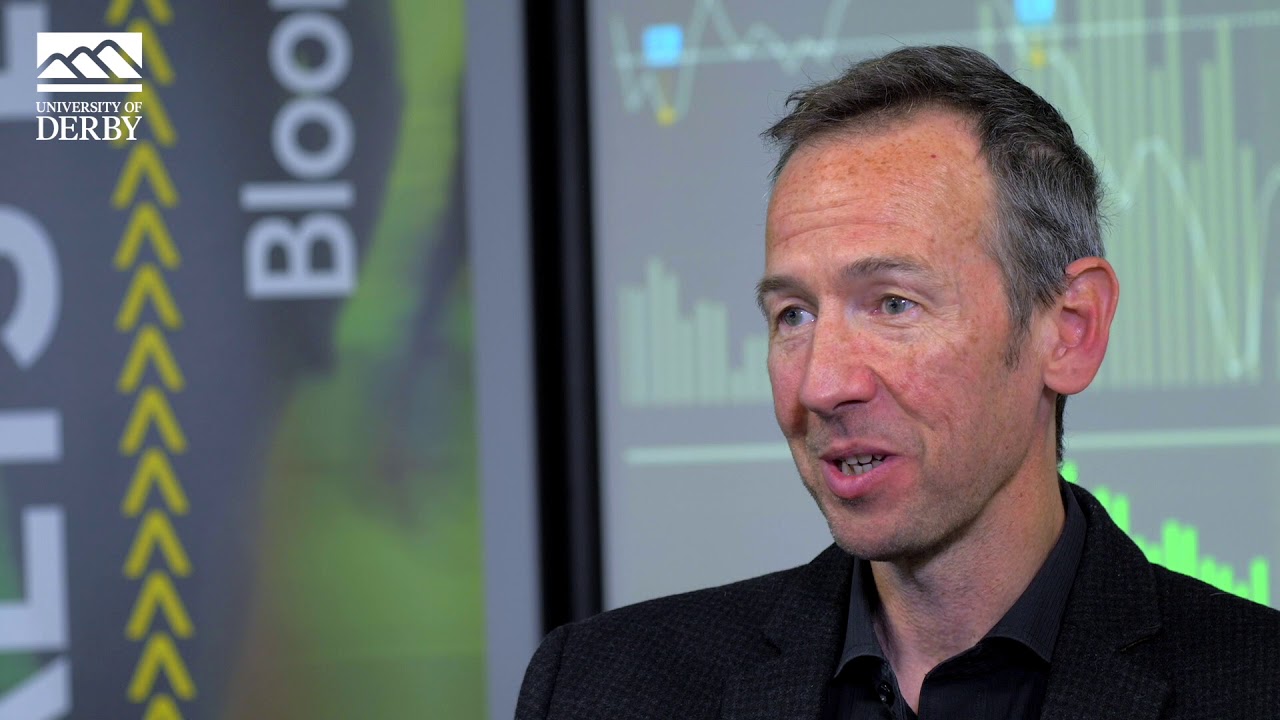
In the below video, Senior Lecturer, Darren Byrne, answers some of the most frequently asked questions about Accounting at the University of Derby.
Please note that our modules are subject to change - we review the content of our courses regularly, making changes where necessary to improve your experience and graduate prospects.
During the first and second stages, you will learn mainly through:
- Formal lectures
- Tutorials
- Workshops
- Industry projects.
From the second stage, you are expected to work more independently and take greater charge of your own learning, while receiving guidance and direction from the academic staff.
Examples of projects
The Independent Project module is an important element of the final year, enabling you to pursue in-depth research into a theme of your choice. Recent examples include investigating issues such as the impact of sugar tax on businesses in Derby, financial fair play rules in football, the pros and cons of a cashless society, the movement towards narrative or integrated reporting, and the impact of Artificial Intelligence (AI) within the accounting profession.
Other projects involve live briefs for employers: students completed a recent study on internal control systems on behalf of Derby Museums.
How you are assessed
Assessments are designed to help you gauge your own level of learning through constructive feedback. The range of assessments includes methods such as:
- Computer-based assessments
- Examinations
- Essays
- Business reports
- Employer negotiated live briefs (recent examples are with companies such as Chatsworth, Birds Bakery, Derbyshire Cricket Club, Bolsover District council, and HMRC (HM Revenue & Customs)
- Videos
- Assessed professional meeting discussions
- Group reports and presentations
- Portfolio-based assessments.
Accounting and finance graduates are in demand the world over, so you will have the opportunity to work in many diverse fields. Our former students have gone on to excel in local accountancy practices, multinational accounting firms such as the Big 4 and other mid-tier firms, merchant banks and within finance departments of other major businesses. Graduates of our programmes have gone onto careers with companies such as Bates Weston, Deloitte, Forvis Mazars, Dains, PKF Cooper Parry, Rolls Royce and many more. On graduation – and depending on the module pathway you have selected – you can apply for exemptions from ACCA, CIMA, ICAEW, CPA Australia and AIA professional qualifications. This will shorten the time you need to become a fully qualified member of your chose n professional body. Representatives from the various professional bodies visit the University to explain more about their institutions, the exemptions available and the potential career paths you can consider.
may apply to students who meet certain criteria.
These are the typical qualification requirements for September 2026 entry.
| Requirement | What we're looking for | | UCAS points | 112 |
| A Level | BBC |
| T Level | Merit |
| BTEC | DMM |
| GCSE | GCSE Maths and English Grade 4/Grade C (or above) or equivalent qualification |
| Access to HE | Pass Access to HE Diploma with 60 credits: 45 at Level 3 with a minimum of Distinction: 15, Merit: 24, Pass: 6 |
| English language requirements | IELTS: 6.0 (with at least 5.5 in each skills area) |
These are the typical qualification requirements for September 2027 entry.
| Requirement | What we're looking for | | UCAS points | 112 |
| A Level | BBC |
| T Level | Merit |
| BTEC | DMM |
| GCSE | GCSE Maths and English Grade 4/Grade C (or above) or equivalent qualification |
| Access to HE | Pass Access to HE Diploma with 60 credits: 45 at Level 3 with a minimum of Distinction: 15, Merit: 24, Pass: 6 |
| English language requirements | IELTS: 6.0 (with at least 5.5 in each skills area) |
| 2026/27 | Full-time | Part-time |
|---|
| UK | £9,790 per year | N/A |
| International | £17,500 per year | N/A |
Further information about our fees and support you may be entitled to
Teaching hours
Like most universities, we operate extended teaching hours at the University of Derby, so contact time with your lecturers and tutors could be anytime between 9am and 9pm. Your timetable will usually be available on the website 24 hours after enrolment on to your course.
Course updates
The information provided on this page is correct at the time of publication but course content, costs and other individual course details do change from time to time and are updated as often as possible, so please do check these pages again when making your final decision to apply for a course. Any updated course details will also be confirmed to you at application, enrolment and in your offer letter.
If you are thinking about transferring onto this course (into the second year for example), you should contact the programme leader for the relevant course information as modules may vary from those shown on this page.

.jpg)



-(1).jpg)
.jpg)
/prod01/derbyacuk/media/derbyacuk/assets/organisation/services/centre-for-excellence-in-learning-and-teaching/Animation-5098-0131-(1).jpg)
/prod01/derbyacuk/media/derbyacuk/assets/study/support/module-evaluation-questionnaire-promo.jpg)
/prod01/derbyacuk/media/derbyacuk/assets/study/postgraduate/Why-Choose-Derby-PG-Tutor-01---2000-x-1333-1066x1333.jpg)
-(1).jpg)
/prod01/derbyacuk/media/derbyacuk/assets/study/employability/Image---employability.jpg)
