Research is firmly embedded into our university culture. It informs our curriculum, provides work experience opportunities for our students and represents all that we stand for which, ultimately, is to make a positive impact.
Year after year, our research achieves a greater global reach. With advances to our coral and seagrass restoration projects, long Covid studies, and primate protection efforts, we have earned our place on the worldwide stage where among leading experts, we can drive innovation and influence change.
Our expertise spans across a range of research fields and we specialise in six key areas known as our academic themes:
Professor Faghy wins €20,000 to fund long Covid research
Green Growth triples in the East Midlands
Free AI-powered DigiBot on WhatsApp introduced in South Africa
Professor Sweet wins Outstanding Research Supervisor of the YearTimes Higher Education Awards 2025
Biomedical and Clinical Science
Protecting the future of primates
In what is believed to be a world-first project, Dr Joana Carvalho, Lecturer in Spatial Ecology and Bioscience, and Dr Allessia Bani, Lecturer in Environmental Bioscience, are monitoring western chimpanzees in Guinea-Bissau, Africa.
With the support of conservation leaders at Twycross Zoo, our experts are collecting environmental DNA (eDNA) samples, both in a managed zoo and the wild, to learn more about the chimpanzee population size and movements. This vital research will help scientists to better understand their distribution in human-dominated landscapes and protect troops from threats and possible extinction.
Using eDNA from air and soil to detect the presence of species and assess biodiversity is thought to be a brand-new methodology, positioning the University of Derby as a pioneer in this research space.
Early indications from the research show that the population of chimpanzees is increasing, although the project conducted in collaboration with governmental organisation IBAP (Instituto da Biodiversidade e Areas Protegidas) and several local and international academic and conservation organisations will not be completed until 2026.
Award-winning long Covid research
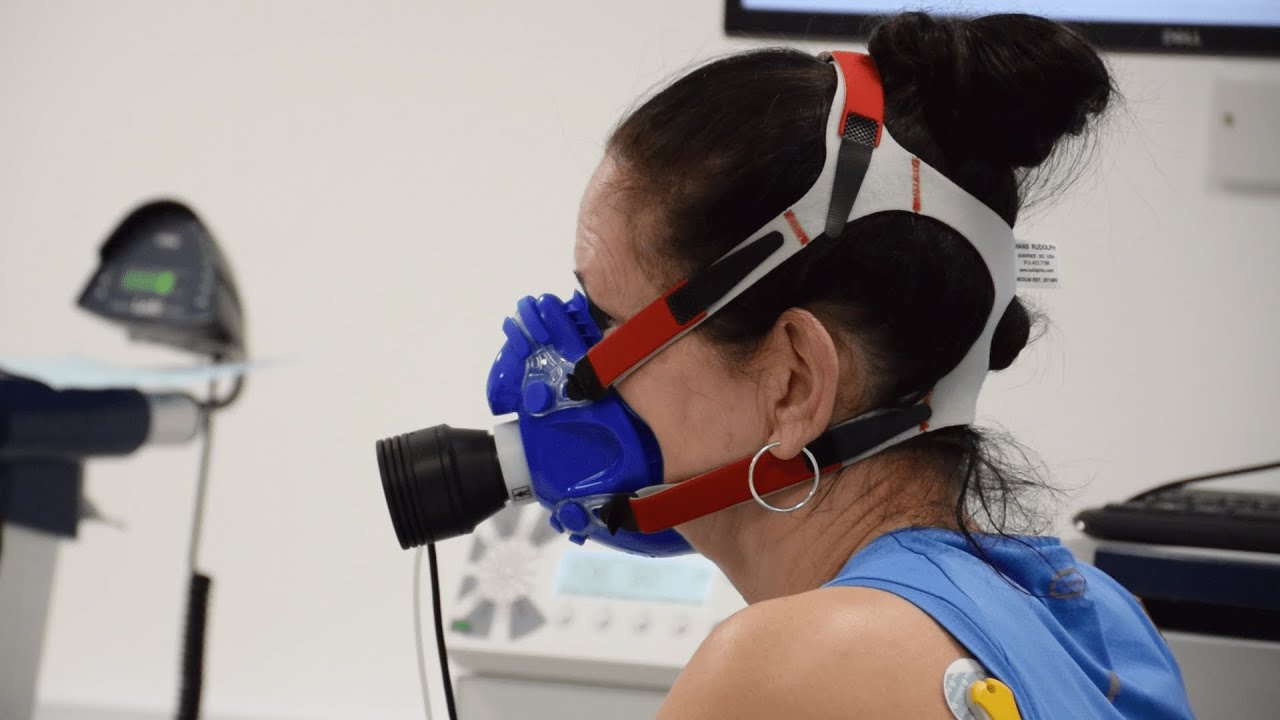
For years, Professor of Clinical Science, Mark Faghy, has been working to improve the lives of those suffering with long Covid. He discovered that lingering symptoms of the pandemic were having a debilitating effect on patients' ability to enjoy life to the fullest and set out to understand the causes and contributing factors of this new disease. Professor Faghy brought together clinical insights with lived experiences of patients in his project titled 'Profiling the Determinants of Long Covid.' It is this which won Professor Faghy and his team at the University of Derby a global award in the Nature Inclusive Health Research Awards.
The team was praised for 'demonstrating powerfully how patient-led research delivers greater impact' by judges at the awards ceremony, which took place in Cape Town, South Africa in November 2024. Aside from this international recognition, Professor Faghy's team received €20,000 to fund further research.
By the fifth anniversary of the Covid-19 pandemic, a trailblazing new trial was underway, led by the University of Derby, to explore whether anti-viral medications can be used as an effective treatment option for patients diagnosed with long Covid.
Green Growth is a term used to describe activity that sustainably supports both the environment and economy of a region. At the end of 2024, businesses in the East Midlands reported green growth had tripled since 2015, when it was last measured.
Awareness and engagement with green growth, decarbonisation, and the uptake of nature-based solutions are all taken into consideration when determining trends.
Key findings during the latest analysis show that 43% of businesses in the East Midlands trade in environmentally friendly goods and services and more than 45% of businesses invested in decarbonisation initiatives over the past 12 months, which is up 6% on 2023. Researchers also discovered that larger businesses pursued and embraced green growth more than small or micro businesses, which is believed to be linked to the resources available.
The University of Derby is committed to a net-zero future and supporting regional businesses on their green growth journey, and is involved in several research projects to influence and inform practice and policy development. Nature-based solutions are at the forefront of our Business4Nature project which seeks solutions to tackle biodiversity loss, support nature recovery and provide a toolkit to help businesses and policymakers grow in a sustainable, eco-friendly way. Our research shows a striking 45% of businesses in the region have not considered nor supported nature during their operations, meaning our work is crucial to minimising their environmental impact.
Creative and Cultural Industries
Enabling safe, sustainable and enjoyable live music events
The annual calendar of festivals, concerts and live music events is ever-growing, which is great for fans, but not so much their hearing health. Dr Adam Hill, Associate Professor of Electroacoustics, and his team at the University of Derby have set out to help venues create high-quality but safe listening environments that also look to minimise noise pollution and foster productive relationships with local communities.
In response to this, our experts have launched the Healthy Ears, Limited Annoyance (HELA) initiative, which is supported by nearly 30 founding member organisations including WHO, Audio Engineering Society, Kulturrom and MusiCares.
The HELA initiative will help Dr Hill and his team to promote best practices for responsible sound management at live events, while still maintaining a fantastic audience experience.
Data Science
Learning from DigiBots
The University of Derby is committed to breaking down barriers to education and in July 2025, researchers launched a free AI-powered DigiBot on WhatsApp to support financial literacy skills in South Africa.
Supported by Digify Africa, a youth-led digital skills provider, and funded by Nedbank, one of the largest financial services groups on the African continent, ‘Lwazi’ was introduced as a new and accessible learning opportunity for entrepreneurs between the ages of 18-35 who lack access to affordable, quality, financial literacy education.
The DigiBot simulates human conversation using interactive, automated response programmes to guide users through learning content via a mobile phone. Learners stay engaged through its gamification element where they can complete quizzes, see how they rank on leaderboards and earn badges.
Hundreds of learners in sub-Saharan Africa have already taken to the DigitBot as a skills-building device, leading researchers at the University to believe this project has the potential to go global. Financial literacy is a worldwide issue, and the rollout of this free AI learning programme will help to bridge the skills gap in many rural or disadvantaged areas.
Public Services
Measuring self-criticism among children
With mental health concerns on the rise around the world, the new Child Self-Criticism Scale, created by researchers at the University of Derby, is a timely development which will be used in educational and community settings to measure the emotional wellbeing of children aged seven to 11.
According to the NHS, one in five children and young people in England were reported to have a probable mental disorder in 2023. Research led by Frances Maratos, Professor of Psychology and Affective Science, looks at the external pressures which contribute to this shocking statistic and how they negatively affect the formation of a child’s identity. Before this study, no robust measure of self-criticism existed for use within child populations, and there was no research examining the effects of child self-criticism on future psychopathologies or general social and emotional development, so Professor Maratos’s work is revolutionary.
The 15-item scale measures ‘self-critical’ emotions in children through age-appropriate, accessible language at the level of child emotional understanding. The hope is that this scale is rolled out in schools to help teaching professionals create early interventions that will support positive long-term outcomes.
Zero Carbon
Saving corals and supporting seagrass
Aquatic restoration is a predominant theme in our research and is no stranger to our Annual Impact Report. With each year that passes, our researchers build upon their previous knowledge and take crucial steps towards finding sustainable solutions to climate change.
In recognition of this exceptional work and progress made, the University of Derby’s Professor of Molecular Ecology, Michael Sweet, was awarded a prestigious Time Higher Education award for Outstanding Research Supervisor of the Year. Professor Sweet’s unwavering commitment to mentoring the next generation of marine scientists is having a significant global impact, and the University congratulates him on this achievement.
According to the IUCN in November 2024, and research involving Professor Sweet, an estimated 44% of reef-building coral species are globally at risk of extinction; a considerably increased figure from the last assessment in 2008.
Working with an international team, Professor Sweet found several coral species in the Caribbean to be critically endangered, with Staghorn coral (Acropora cervicornis) and Elkhorn coral (Acropora palmata) being only two examples. His research concluded that these species had experienced significant declines due to increased warming, water pollution, hurricanes and the severe impacts of coral diseases. Professor Sweet and the IUCN agree that the best form of action is to drastically cut greenhouse gas emissions – a message we have all heard before, but one which Professor Sweet and our international research partners have now added urgency to.
Following the success of our coral research, our experts are turning their attention to seagrass, and the possibility that this unassuming marine plant might harness the power to tackle the effects of climate change. Seagrass is known to be nature’s water filter. It can store up to 18% of the world's oceanic carbon by absorbing nutrients and pathogens giving us healthier, cleaner and safer water.
Much like coral species, seagrass is declining at an alarming rate, primarily due to human-induced stresses such as climate change, coastal development and pollution. Survivorship is key and so, in support of international restoration programmes, Professor Sweet and his PhD researchers at the University of Derby are aiming to develop probiotics (good bacteria) to help seagrass thrive in our changing oceans.
Award-winning, reef-safe sunscreen
Research has indicated that more than 80% of sunscreen brands on the market contribute to coral damage. Professor Sweet masterminded a pioneering certification known as Reef Protection Factor (RPF), in collaboration with global advertising agency McCann, and ethical manufacturer Stream2Sea, to help consumers identify sunscreen products that are not harmful to corals.
Coral Care™ by Steam2Sea is the world’s first sunscreen to achieve the gold RPF certification, which indicates that its usage will not lead to tissue loss in corals. In fact, it was discovered that Coral Care™ is nutritious to coral and can boost healthy growth by as much as 29% in some species. This discovery was made during rigorous testing, which took place with adult corals and larvae at the University of Derby’s Aquatic Research Facility, and other accredited independent testing centres.
This revolutionary product and global campaign, which lobbies for change and educates consumers, won Bronze at the Cannes Lion Awards in the Innovation category. Cannes Lions is one of the world's most respected benchmarks for creative excellence.
Nature-connectedness research features in national campaign
It is no secret that getting out into nature can do wonders for our mental health, but research by Miles Richardson, Professor of Human Factors and Nature Connectedness at the University of Derby aims to prove it. Professor Richardson and his team are seeking to understand how people’s relationship with the natural world is linked to wellbeing and personal growth.
This research captured the attention of the World Wide Fund (WWF). Professor Richardson’s work was featured in their latest campaign, A Prescription for Nature, which highlights that a huge majority of the UK public say spending time in nature has a positive impact on their mental health, yet only a third manage to enjoy nature as little as once a week, or sometimes less.
The campaign is backed by fitness guru Joe Wicks, ITV This Morning’s Dr Sara Kayat and the Mental Health Foundation, giving the University of Derby a fantastic platform to share its research excellence.


-(1).png)
-(1).png)


